
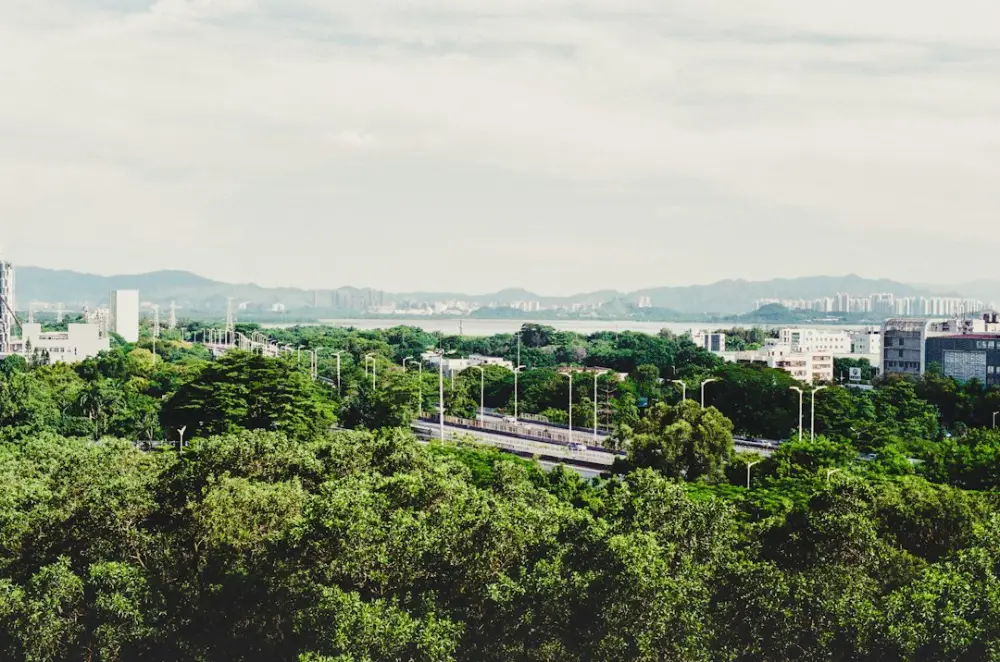
Respectful use of city spaces involves the mindful interaction between individuals and shared urban environments to promote sustainability, inclusivity, and safety. It encompasses following local regulations, maintaining cleanliness, and participating in tactical urbanism—community-led improvements that transform public areas into more functional, people-oriented environments for all residents in 2026.
Practicing this level of awareness ensures that common resources, from curb space to public transit hubs, remain functional for everyone. When we prioritize shared access over individual convenience, we reduce the friction often associated with dense city living and create a more predictable, less stressful environment for commuters and residents alike.
In 2026, the definition of shared space has expanded to include the digital-physical hybrid zones where we park, work, and move. Respecting these areas means acknowledging that a sidewalk is not just a thoroughfare for pedestrians, but also a critical access point for those with limited mobility. For example, leaving a dockless electric scooter in the middle of a narrow walkway creates a physical barrier that can block a wheelchair or a stroller. By understanding local customs and cultural etiquette: a necessary step for city dwellers, we can better navigate these overlaps without causing unintentional disruption to our neighbors.
Principles of Sustainable Urban Design
Sustainable urban design focuses on creating long-lasting infrastructure that serves multiple purposes while minimizing environmental impact. In 2026, many cities are moving toward "multi-modal hubs"—areas designed to seamlessly integrate car parking, bike sharing, and public transit. These designs rely on users following specific flow patterns to keep the system efficient.
A concrete example of this is the implementation of permeable pavement in municipal parking lots. Instead of standard asphalt, which contributes to heat islands and runoff issues, sustainable lots use grid-based pavers that allow grass to grow through or water to filter into the ground. When drivers respect the designated boundaries of these green-heavy zones, the infrastructure lasts longer and the local ecosystem remains healthier. Similarly, the rise of "daylighting" at intersections—removing parking spots closest to the corner to increase visibility—saves lives by giving drivers and cyclists a clearer view of pedestrians before they step into the crosswalk.
Tactical Urbanism: Cities for People
Tactical urbanism refers to low-cost, temporary changes to the built environment intended to improve local neighborhoods and city gathering places. These projects are often led by residents who want to test a new idea before the city commits to a permanent, expensive construction project. Because these changes are often experimental, they require a high degree of respect from the community to succeed.
Consider the "parklet" model, where one or two parallel parking spaces are converted into a small seating area with planters and benches. In cities like San Francisco or Barcelona, these spots provide much-needed breathing room in high-density areas. Respectful use in this context means utilizing the space for its intended purpose—rest and socialization—without overstaying or leaving litter behind. These community-led initiatives demonstrate that urban land is a flexible resource that can be adapted to meet the immediate needs of people, rather than just serving as storage for vehicles.
Simple Ways to Practice Urban Etiquette
Better urban etiquette is often about the small, unwritten rules that keep a city moving. It starts with how we choose to occupy space. For those driving in 2026, this means parking tightly within lines to ensure the maximum number of people can find a spot, or avoiding the habit of "double-parking" for just a minute, which can cascade into a mile-long traffic jam and block emergency vehicles.
For those using shared workspaces or transit lounges, etiquette involves managing noise levels and physical footprints. Even in digital ages, we still look for community in these environments, and that community is maintained through mutual respect. A practical example is the "quiet car" or "quiet zone" policy found in many commuter trains and coworking hubs. By sticking to these designated areas for phone calls or loud collaboration, we allow the broader space to remain productive for everyone. for micro-mobility, returning a shared bike to its designated rack instead of leaning it against a storefront is a simple act that keeps the streetscape orderly and safe for those with visual impairments.
Sustainable Design and Digital Privacy
As cities become "smarter" in 2026, the intersection of physical space and digital data becomes more prominent. Many parking garages and transit centers now use sensors to provide real-time availability updates to your smartphone. While this technology reduces the time spent idling and searching for spots, it also raises questions about how our movements are tracked.
Respectful use of these systems involves both the provider and the user. City planners and private operators should prioritize anonymized data collection—tracking that a spot is occupied without needing to know exactly who is in it. On the user side, opting into privacy-respecting platforms helps signal to the market that we value our digital boundaries. According to Tactical Urbanism principles, the best city improvements are those that empower the individual while protecting the collective good. This includes being mindful of how much of our digital footprint we leave behind in public charging stations or shared Wi-Fi networks.
Essential Resources and FAQ
Navigating the city in 2026 requires a mix of traditional common sense and modern tools. To stay informed, residents should look for local municipal guides on "curbside management," which often detail the specific rules for loading zones, EV charging stalls, and bike lanes. Understanding these rules is the first step toward reducing the friction of daily travel.
People Also Ask:
- How can I help improve my local streetscape? Look for community board meetings or tactical urbanism grants in your district. Small additions like planters or better signage can often be approved with neighborhood support.
- What is the most respectful way to use shared bike lanes? Always stay to the right, use hand signals for turns, and never park a motorized vehicle in a lane designated for bicycles or scooters.
- Why are parking rules getting stricter in 2026? Many cities are implementing "demand-based pricing" to reduce congestion. This ensures that spots are available for those who truly need them, rather than being occupied by the same vehicles all day.
At Spotoops, we believe that urban mobility is more than just getting from point A to point B; it is about how we interact with the people and places along the way. Whether you are using our real-time parking spot locator to find a place for your car or seeking out a coworking community to beat the isolation of remote work, the goal remains the same: reducing stress through smarter choices. By practicing respectful use of city spaces, we make the urban environment more efficient and welcoming for everyone. Spotoops is dedicated to providing the practical guides and tools needed to navigate 2026’s cities with ease and consideration.