The Quiet Revolution on Two Wheels
For decades, the rhythm of the city was dictated by the roar of internal combustion engines and the rigid geometry of traffic grids. We navigated our urban environments from within the sterilized confines of metal boxes, shielded from the very streets we inhabited. But in recent years, a quiet revolution has taken root. As you walk through any major metropolitan center today, the flash of a brightly colored rental bike is as common as a taxi cab. Yet, the impact of bike sharing goes far deeper than mere convenience or environmental statistics; it is fundamentally altering the way we perceive, feel, and move through the places we call home.
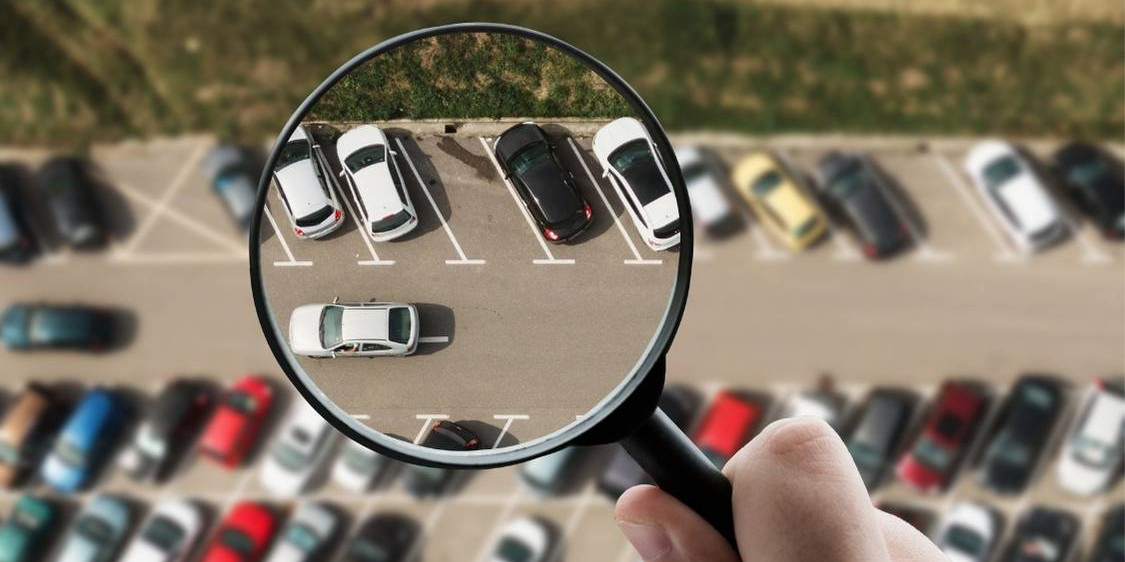
Whether you are searching for efficient parking strategies for your vehicle or deciding to ditch the four wheels for a bike, the goal remains reducing urban friction.
Breaking the Grid: A New Perspective on Distance
In a car-centric world, distance is often measured in minutes of frustration or the availability of a parking spot. We think of the city as a series of ‘points’—point A to point B—with the space in between treated as a void to be traversed as quickly as possible. Bike sharing has begun to dissolve this binary way of thinking. When you unlatch a shared bicycle, the city suddenly loses its sharp edges. A mile is no longer a metric of traffic density; it becomes a sensory experience.
On a bike, the ‘in-between’ spaces come alive. You notice the architectural nuances of a brownstone, the sudden scent of a bakery tucked into a side street, and the subtle shifts in elevation that a car engine effortlessly masks. This shift in perspective forces us to confront the city on a human scale. We are no longer just passing through; we are participating in the landscape. By slowing down our transit, we paradoxically expand our understanding of the urban fabric.
The Rhythm of the Street: Connection Over Convenience
There is an inherent intimacy in cycling that other forms of public transit lack. While a subway train whisks you through a dark tunnel, isolated from the world above, a shared bike keeps you tethered to the pulse of the sidewalk. This connectivity fosters a deeper psychological bond with the city. We begin to understand the flow of neighborhoods, the way one district bleeds into another, and the vibrant life that exists outside the main thoroughfares.
Reclaiming the “In-Between” Spaces
One of the most profound changes bike sharing has introduced is the reclamation of space. In many cities, the introduction of bike-share docks and dedicated lanes has forced a literal redesign of the streets. This isn’t just about infrastructure; it’s about priority. It suggests that the city belongs to the people, not just the vehicles. We are seeing a return to the ‘flâneur’ spirit—the urban explorer who wanders for the sake of discovery—now aided by the efficiency of a gear-shift and a digital app.
The Social Fabric of Shared Mobility
At its core, bike sharing is an exercise in communal trust. The act of using a resource that someone else used an hour ago—and someone else will use an hour from now—creates a subtle, invisible thread of community. It challenges the traditional notions of ownership that have defined the modern era. In a world that often feels increasingly fragmented, the shared bike is a symbol of a collective effort to simplify urban living.
This shift toward shared mobility reflects a broader change in urban philosophy. We are moving away from the ‘fortress’ mentality of private car ownership toward a more fluid, integrated way of living. This evolution offers several key reflections on our changing habits:
- Mindful Transit: Choosing to bike requires an awareness of our physical state and the environment around us, turning a mundane commute into a moment of mindfulness.
- Democratization of the City: Bike sharing lowers the barrier to entry for mobile freedom, allowing residents and visitors alike to explore areas that might be underserved by traditional transit.
- Environmental Stewardship: Beyond the carbon footprint, biking encourages a cleaner, quieter, and more breathable urban atmosphere.
- Spontaneous Discovery: The ability to drop a bike at any dock allows for a level of spontaneity that cars and buses cannot match, encouraging us to linger in new neighborhoods.
Navigating the Future with Spotoops
As we look toward the future of smart city navigation, it’s clear that the goal is no longer just about getting from one place to another; it’s about the quality of the journey. At Spotoops, we believe that simplifying urban living means embracing these diverse modes of transport. Whether you are searching for the perfect parking spot for your vehicle or deciding to ditch the four wheels for a shared bike, the objective remains the same: to reduce the friction of city life.
The rise of bike sharing serves as a reminder that technology should serve to bring us closer to our environment, not insulate us from it. As we continue to refine how we navigate our streets, we are not just building smarter cities; we are building more human ones. The next time you see a row of shared bikes, consider not just the destination they can take you to, but the version of the city they allow you to see. It is a world that is richer, slower, and infinitely more connected than the one we see through a windshield.
Conclusion: A Path Forward
Ultimately, bike sharing is changing our navigation by changing our intent. It invites us to be curious, to be active, and to be present. In the grand tapestry of urban evolution, the bicycle—a centuries-old invention—has become the most modern tool for reclaiming the soul of our cities. As we navigate the complexities of 21st-century living, perhaps the simplest way to find our way is to pedal toward it.